If you are building or renovating a hotel in Nepal and trying to decide between a VRF system and central air conditioning, this guide will give you a clear answer based on real projects completed across Nepal.
The short answer: For most hotels in Nepal with 15 to 100 rooms, a VRF (Variable Refrigerant Flow) system is the better long-term investment. For very large hotels above 150 rooms in Kathmandu, a chiller-based central AC system may be worth considering.
Here is exactly why, with Nepal-specific costs and real project examples.
What is a VRF System?
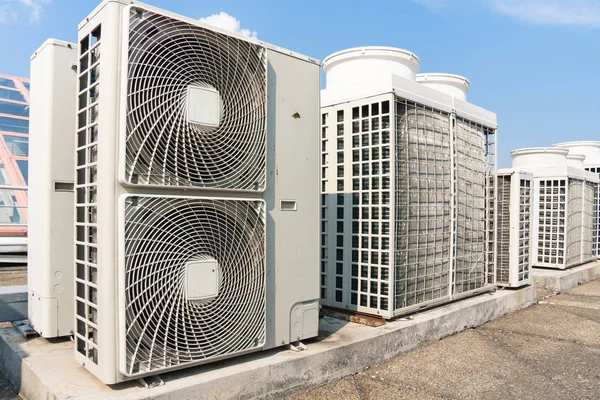
VRF stands for Variable Refrigerant Flow. It is an advanced air conditioning system where one or more outdoor units connect to multiple indoor units across an entire building using refrigerant piping.
Each indoor unit — in each guest room, lobby, corridor and restaurant — is independently controlled. The outdoor unit continuously adjusts how much refrigerant flows to each zone depending on the actual demand at that moment.
VRV is the same technology. VRV (Variable Refrigerant Volume) is Daikin’s registered trademark name for their version of VRF. All other brands (LG, Mitsubishi, Samsung, Panasonic) call it VRF. The technology is identical.
What is Central AC (Chiller System)?
A central AC or chiller system uses one or more large chiller units to cool water. The chilled water is pumped throughout the building to fan coil units in each room. A separate hot water system handles heating.
Central systems are the traditional choice for large hotels in Kathmandu. They are robust, well-understood, and easy to maintain — but they have significant disadvantages for medium-sized hotels.
VRF vs Central AC — The Key Differences
Energy Efficiency
VRF: Modulates compressor speed continuously to match actual load. When the hotel is at 60% occupancy, the VRF system operates at approximately 60% power consumption.
Central AC (chiller): Most chillers run most efficiently at full load. At part load — common in hotels at less than full occupancy — efficiency drops significantly.
In Nepal hotel conditions, where occupancy varies seasonally, a VRF system typically uses 30-40% less electricity than an equivalent chiller system. For a 40-room hotel in Bhairahawa with an electricity bill of NPR 80,000 per month in summer, that is a saving of NPR 24,000-32,000 per month, or NPR 2.9 – 3.8 lakhs per year.
Installation Cost
VRF (40-room hotel, installed): NPR 15-25 lakhs Chiller system (40-room hotel, installed): NPR 25-45 lakhs
VRF systems cost significantly less to install for medium-sized hotels because there is no chiller plant room, no cooling tower, no chilled water pipework, no pump room, and no water treatment equipment.
Maintenance
VRF: Service every quarter. No water treatment, no pump maintenance, no cooling tower cleaning. Simpler, lower-cost AMC.
Chiller: Requires water treatment, cooling tower cleaning, pump maintenance, chilled water system flushing, plate heat exchanger cleaning. Higher annual maintenance cost.
For a 40-room hotel, VRF annual AMC is approximately NPR 40,000-80,000. Chiller system AMC is NPR 1 lakh+ for the equivalent scope.
Individual Room Control
VRF: Every room has its own indoor unit with individual temperature control. Guest in room 201 sets 20 degrees. Guest in room 202 sets 25 degrees. Both are comfortable. No energy wasted cooling empty rooms.
Central AC (fan coil system): Individual room control is possible with fan coil units and room thermostats, but the chiller runs continuously regardless of how many rooms are occupied.
Water Risk
VRF: No water anywhere in the system. Refrigerant only. No risk of water leaks, legionella contamination, or pipe corrosion.
Chiller: Chilled water and condenser water pipes throughout the building. Leaks are not uncommon and can cause significant damage. Legionella management is required in cooling towers.
For hotel owners in Nepal who want the simplest, lowest-risk system to operate, VRF is clearly better.
Noise Level
VRF indoor units: Very quiet, typically 25-35 dB in heating or cooling mode. Guests rarely notice the system operating.
Fan coil units: Variable noise depending on fan speed. Some guests in Nepal hotels complain about fan coil noise, particularly on high speed during peak demand.
Real Hotel VRF Projects in Nepal
Hotel Sunniva Inn, Bhairahawa A 40-room luxury boutique hotel completed in 2023. LG Multi V heat recovery VRF system serves all guest rooms, restaurant, lobby, banquet hall and management offices from a single outdoor installation. The owner reported electricity savings of over 30% compared to their previous conventional AC system.
Bhangeri Durbar Resort, Bhaktapur A resort property with accommodation blocks and event spaces. The heat recovery VRF system allows simultaneous cooling in guest rooms and heating in the restaurant kitchen area — completely impossible with a simple heat pump system.
CourtYard Pavellion, Chitwan An 800-seat banquet hall and event venue. The VRF system provides individual zone control for multiple function areas — essential for a venue that runs different events in different spaces simultaneously.
When Should You Choose a Chiller System?
A chiller system makes more sense than VRF when:
Building size is very large: Above 150 rooms in a large hotel complex, chillers offer better cost per cooling ton for the central plant.
Very long pipe runs: VRF refrigerant piping is limited to approximately 150 metres from outdoor to indoor unit. For very large buildings with distant zones, chiller-based fan coil systems are more practical.
District cooling availability: In some Kathmandu commercial developments where district cooling is available, fan coil units connected to the district system can be cost-effective.
Budget for large plant room: If the hotel already has a dedicated plant room and the budget for chiller installation, the long-term reliability of a large chiller can be appealing for very busy high-occupancy hotels.
Our Recommendation for Nepal Hotels
For the typical hotel project we see in Nepal — 20 to 80 rooms, in Kathmandu, Bhairahawa, Chitwan, Pokhara or Lumbini — VRF is almost always the right choice.
Lower installation cost, lower electricity bills, simpler maintenance, no water risk, and better guest experience from quiet individual room control. The energy savings alone typically pay for the price difference between VRF and a cheaper conventional system within 3-5 years.
How to Choose the Right VRF Brand for Your Hotel
LG Multi V: Best for projects outside Kathmandu where local after-sales support matters. Strong service network in Bhairahawa, Chitwan and other cities. Competitive pricing.
Daikin VRV: Best for premium hotels where the absolute highest performance is required. Daikin’s heat recovery technology is the most advanced available. Higher initial cost, worth it for luxury properties.
Mitsubishi Electric City Multi: Best for hospitals and critical facilities where reliability above all else is required. Excellent for clean room and healthcare applications.
Samsung DVM: Good balance of performance and price. Advanced AI controls and smart building integration.
Getting a VRF Quote for Your Hotel
Getting a VRF quotation from Himalayan Corp involves a free site visit where our engineers:
- Review your building plans or visit the site
- Calculate cooling and heating loads per zone
- Select the appropriate VRF system and brand
- Prepare a detailed, itemised quotation
- Provide a project schedule
The entire process from site visit to quotation typically takes 3-5 working days for a standard hotel project.
Contact us via the form on this page, call +977-15925916, or WhatsApp us to arrange a free site visit anywhere in Nepal.
Frequently Asked Questions
For hotels with 15-100 rooms, yes. VRF costs less to install, uses 30-40% less electricity, needs simpler maintenance, has no water leak risk, and gives guests individual room control. For very large hotels above 150 rooms, a chiller system may offer better long-term economics at scale.
Approximately NPR 15-25 lakhs installed for a 40-room hotel in Nepal, depending on brand selected, pipe run lengths and indoor unit types. Contact us for a free site survey and accurate quotation.
LG Multi V offers the best combination of performance, price and after-sales support across Nepal including outside Kathmandu. Daikin VRV is the premium choice for luxury hotels. Mitsubishi Electric is preferred for hospitals and critical environments.
Yes. VRF is well-suited to hotel renovations because the refrigerant pipe runs are small-diameter copper that can be routed through existing ceiling voids and shafts with minimal structural interference.
Typically 4-8 weeks for a 40-room hotel. We provide a detailed installation programme before starting any project.