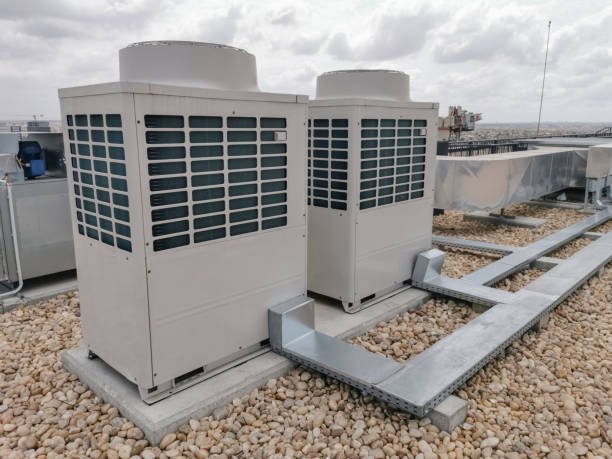
If you are building a hotel in Nepal — whether in Kathmandu, Bhairahawa, Chitwan, Pokhara or anywhere else — MEP engineering is one of the most important and misunderstood parts of the project.
Architects design what the building looks like. Structural engineers make it stand up. MEP engineers make it function — providing comfortable temperatures, clean water, reliable power and a safe environment for your guests.
This guide explains exactly what MEP means for hotels in Nepal, what it costs, what to specify, common mistakes to avoid, and how to choose the right MEP contractor.
What is MEP Engineering?
MEP stands for Mechanical, Electrical and Plumbing. In hotel construction, MEP covers every building service system:
Mechanical (M): HVAC (heating, ventilation and air conditioning) — the largest mechanical system in most Nepal hotels. Ventilation systems (kitchen exhaust, car park ventilation). Fire suppression systems (wet risers, sprinklers). Lifts and escalators (usually by specialist sub-contractor).
Electrical (E): Low-voltage wiring and distribution boards. Lighting systems. Emergency and backup power (UPS, generator). Fire alarm and emergency lighting. Solar PV systems. CCTV and security systems. Data and telecommunications cabling.
Plumbing (P): Cold and hot water supply. Drainage and sewage. Sewage treatment plant (STP) if not on municipal sewer. Swimming pool plumbing (if applicable). Fire hydrant and wet riser systems.
In Nepal, MEP typically represents 20-35% of total hotel construction cost. Getting it right from the start saves enormous cost and disruption later.
Why MEP Planning Starts Before Architecture
The most expensive MEP mistake in Nepal hotel construction is treating MEP as an afterthought — something to design and install after the architecture is finalised.
MEP systems need space. HVAC plant rooms, electrical rooms, pump rooms, sewage treatment plants, pipe shafts, duct routes and cable trays all need to be coordinated with the architectural layout from day one.
A hotel where MEP was not coordinated early shows these signs: Exposed pipes and ductwork in public areas that guests can see. Low ceilings in bedrooms where the ductwork had to go somewhere. Electrical panels in inconvenient locations. VRF outdoor units with no access for maintenance. Pool plant room that cannot fit the equipment.
Himalayan Corp recommends engaging an MEP contractor during the concept design phase, not after structural drawings are complete. This saves money and produces a better hotel.
MEP Requirements for Nepal Hotels
Nepal Building Code (NBC) sets minimum requirements for MEP in commercial buildings. Additionally, hotels seeking international brand affiliation (Marriott, Hilton, Best Western etc.) must meet brand MEP standards, which are typically more demanding than NBC.
Key NBC requirements relevant to Nepal hotels:
Electrical: Automatic changeover to backup generator within 10 seconds for emergency circuits. Emergency lighting and illuminated exit signs in all escape routes. Earthing and lightning protection.
Plumbing: Hot water temperature minimum 60 degrees C at storage (Legionella prevention). Backflow prevention on water supply. Grease traps on kitchen drainage.
Fire: Wet riser systems in buildings above ground floor. Sprinkler systems in certain occupancy types. Kitchen fire suppression.
Ventilation: Mechanical ventilation in car parks, kitchens and internal bathrooms. Minimum air changes per hour for different space types.
Mechanical (HVAC) for Nepal Hotels
Choosing Between VRF and Central AC
For most Nepal hotels up to 80 rooms, a VRF/VRV system is the better choice over chiller-based central AC. See our dedicated blog post “VRF vs Central AC: Which is Better for Hotels in Nepal?” for a complete comparison.
For hotels above 100-150 rooms in Kathmandu with a large plant room, a chiller system may be justified for long-term economies of scale.
HVAC Zoning for Nepal Hotels
A well-designed hotel HVAC system divides the building into logical zones with independent control:
Guest rooms: Individual control per room. Guests adjust their own temperature. With VRF, each room has its own indoor unit.
Lobby and reception: Larger space with higher ventilation requirements. May need different system type than rooms.
Restaurant: Requires mechanical ventilation for cooking fumes and occupancy-based fresh air supply in addition to cooling.
Conference and meeting rooms: Variable occupancy requires systems that can respond quickly to load changes.
Back of house: Staff areas, kitchen, laundry, storage. May not require the same comfort levels as front of house.
HVAC Cost for Nepal Hotels
20-room boutique hotel (VRF): NPR 8 – 18 lakhs 40-room hotel (VRF): NPR 15 – 30 lakhs 80-room hotel (VRF): NPR 30 – 60 lakhs 100+ room hotel (chiller): NPR 60 lakhs – 2 crores
These are rough guides. Actual cost depends on brand selected, indoor unit types, building layout and pipe run lengths.
Electrical for Nepal Hotels
Power Supply Planning
Nepal’s electricity supply reliability varies significantly by location. Hotels in Bhairahawa, Chitwan and Pokhara experience more frequent outages than Kathmandu Valley.
Every Nepal hotel needs: Standby generator with automatic transfer switch (ATS) to maintain power to critical loads (rooms, reception, kitchen, fire systems, lifts) during outages.
UPS systems for instantaneous changeover for sensitive loads (computers, CCTV, fire alarm) during the few seconds before the generator starts.
Proper earthing and surge protection — Nepal’s power quality fluctuations damage electronic equipment in hotels without adequate surge protection.
Generator sizing guide for Nepal hotels: 20-room hotel: 30-50 kVA 40-room hotel: 60-100 kVA 80-room hotel: 100-200 kVA
Solar PV for Nepal Hotels
Solar PV makes financial sense for hotels in Nepal, particularly in Bhairahawa, Pokhara and other sunny locations. A 50kW solar system on a 40-room hotel in Bhairahawa can generate 200-250 kWh per day during summer, significantly reducing NEA electricity bills.
Solar PV cost guide: NPR 8-12 lakhs per 10kW installed.
CCTV and Security
Nepal’s hotel industry insurance requirements and guest safety expectations require comprehensive CCTV coverage. A minimum system for a 40-room hotel includes: lobby, reception, all corridor floors, car park, restaurant entrance and service areas. Typically 20-30 cameras with 90-day footage retention.
Plumbing for Nepal Hotels
Hot Water System Design
Reliable hot water is one of the top guest complaints in Nepal hotels that get it wrong. Key requirements:
Adequate storage: Design for peak morning demand (7-9am when all guests shower simultaneously).
Legionella prevention: Hot water storage at minimum 60C, distribution at minimum 50C at outlet.
Solar integration: In most Nepal locations, solar hot water with backup heating is the most cost-effective long-term solution.
Softening: Hard water damages boilers and heat exchangers. Water softening extends equipment life significantly in hard water areas of Nepal.
Sewage Management
Hotels outside municipal sewage networks need their own sewage treatment plant (STP). Nepal’s environmental regulations require treated effluent before discharge.
For a 40-room hotel with restaurant: A packaged STP capable of treating 25-50 cubic metres per day is typically required. Cost: NPR 8-15 lakhs installed.
MEP Timeline for Nepal Hotel Projects
MEP works typically take the following time from start on site to handover, depending on hotel size:
20-room boutique hotel: 3-5 months MEP installation 40-room hotel: 4-6 months 80-room hotel: 6-9 months 100+ room hotel: 8-14 months
MEP must be sequenced after structure but before finishes. HVAC ductwork and plumbing rough-in happen in open ceilings before false ceilings are installed. Poor sequencing — which is common in Nepal — adds months and significant cost.
Common MEP Mistakes in Nepal Hotel Projects
After completing MEP works for hotels in Bhairahawa, Chitwan, Bhaktapur and Kathmandu, we have seen these mistakes repeatedly:
Mistake 1: Choosing the lowest MEP quote MEP is not a commodity. A quote that is 30% lower than others is almost certainly incomplete in scope or uses inferior materials. The cost to fix poor MEP work after a hotel opens is many times the saving on the original contract.
Mistake 2: No plant room space Hotel developers in Nepal often do not allocate adequate plant room space for the chiller, water tanks, pumps, electrical MDB and generator. These items need proper space, access for maintenance, and ventilation.
Mistake 3: Underspecified hot water The hot water system in Nepal hotels is frequently undersized. A system designed for 50% occupancy fails to deliver when the hotel is full during peak season.
Mistake 4: No maintenance access HVAC units, valves, inspection chambers and electrical panels all need access for maintenance. In Nepal hotels where MEP was an afterthought, these items are sometimes installed behind false ceilings or walls with no access panel.
Mistake 5: Choosing unfamiliar brands for the location A VRF brand with no service agent in Bhairahawa is a poor choice for a hotel in Bhairahawa. Choose brands with local service support where your hotel is located.
How to Choose an MEP Contractor for Your Nepal Hotel
Experience with hotels specifically. Hotel MEP is different from office or residential MEP. Guest comfort, noise levels, hot water reliability and 24/7 operation requirements are specific to hotels.
Nepal project references. Ask to see completed hotel projects and speak to the hotel owners about their experience.
Coverage in your location. For a hotel in Bhairahawa or Chitwan, choose an MEP contractor with proven projects in those cities, not only Kathmandu.
One-package MEP. Having one contractor responsible for HVAC, electrical and plumbing eliminates coordination problems between sub-trades. Delays and defects caused by finger-pointing between separate HVAC, electrical and plumbing contractors are extremely common in Nepal.
Post-completion AMC. Your MEP contractor should offer Annual Maintenance Contract (AMC) coverage after handover. The team that installed your systems knows them best and can respond most effectively to problems.
Himalayan Corp — MEP Contractor for Nepal Hotels
We have completed MEP packages for hotels in Bhairahawa, Chitwan, Bhaktapur and Kathmandu. Our complete MEP service covers HVAC, VRF/VRV systems, electrical works, plumbing and CCTV under one contract with one team and one point of accountability.
We offer free MEP consultation for hotel projects at concept stage — before architecture is finalised is the ideal time to involve us. Contact us at +977-15925916 or via the form on our website.
Frequently Asked Questions
MEP typically represents 20-35% of total hotel construction cost. For a 40-room hotel with total construction budget of NPR 5 crores, MEP is typically NPR 1-1.75 crores covering HVAC, electrical and plumbing.
Typically 4-6 months for a 40-room hotel. MEP must be sequenced correctly with structure and finishes. Starting MEP late is one of the most common causes of hotel project delays in Nepal.
Yes. Nepal Building Code compliance is required for all commercial buildings. We provide full NBC-compliant documentation, drawings and test certificates at handover.
An HVAC contractor only installs air conditioning and ventilation. An MEP contractor covers Mechanical (HVAC), Electrical and Plumbing under one package. For hotels, a single MEP contractor is strongly preferable to coordinating separate HVAC, electrical and plumbing sub-contractors.
Yes. We have completed hotel MEP projects in Bhairahawa, Chitwan, Bhaktapur and Lumbini. We can execute MEP works for hotels anywhere in Nepal.